


The Impact of Music On Culture
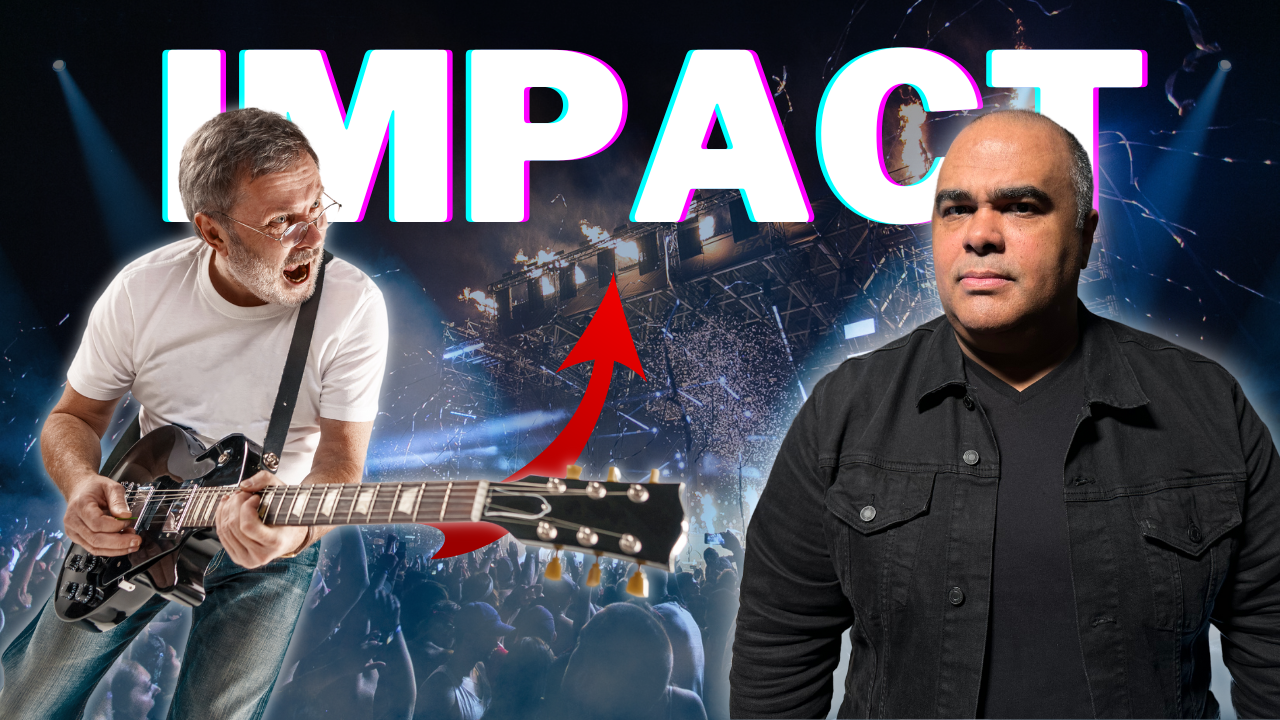
Music, a universal language that transcends boundaries, has an incredible impact on culture. It possesses the unique ability to evoke emotions, unite communities, express identities, and bring about social change. In this blog, we'll explore the profound influence that music has on culture and how it shapes societies around the world.
1. Music as a Cultural Expression:
Music serves as a powerful medium for cultural expression. It reflects the values, beliefs, traditions, and experiences of a particular community or group. Different genres, styles, and rhythms emerge from diverse cultures, carrying their unique stories and histories. From traditional folk music to modern genres like hip-hop and electronic music, each reflects the cultural identity of the people who create and consume it.
Music also serves as a vehicle for storytelling, preserving cultural narratives, and passing them down through generations. It has the ability to convey historical events, societal issues, and personal experiences, acting as a sonic time capsule that connects us to our roots.
2. Music as a Unifying Force:
One of the most remarkable aspects of music is its ability to bring people together. In a world often divided by differences, music has the power to bridge gaps and foster unity. Festivals, concerts, and communal performances serve as platforms where individuals from diverse backgrounds can gather, celebrate, and connect through shared musical experiences.
National anthems and patriotic songs, for example, instill a sense of pride and solidarity among citizens, reinforcing a collective identity. Similarly, protest songs have played a pivotal role in social movements, uniting people in their struggle for justice, equality, and change. Music has the ability to transcend language barriers, cultural disparities, and ideological differences, reminding us of our shared humanity.
3. Music as a Catalyst for Change:
Throughout history, music has acted as a catalyst for cultural and social transformation. It has the power to challenge the status quo, question authority, and inspire critical thinking. Artists often use their music as a means of expressing dissent, addressing social issues, and advocating for marginalized communities.
From the protest songs of the Civil Rights Movement to the rebellious anthems of the punk era, music has served as a voice for the oppressed, giving power to the voiceless. It has the capacity to ignite conversations, raise awareness, and mobilize communities towards positive change. Music has the potential to challenge societal norms, break down barriers, and inspire individuals to envision a better world.
4. Music as a Reflective Mirror:
Culture and music are intricately intertwined, constantly influencing and reflecting each other. Music acts as a mirror that reflects the values, trends, and aspirations of a society. It serves as a commentary on contemporary issues, capturing the spirit of the times.
Artists often draw inspiration from their cultural surroundings, weaving societal themes into their lyrics and melodies. Popular music trends, fashion styles, and even dance moves become synonymous with certain eras and cultural movements. Music not only mirrors the cultural landscape but also shapes and propels it forward.
Music's impact on culture cannot be understated. It is a profound force that shapes societies, builds bridges, and sparks revolutions. Through its ability to express cultural identities, unify communities, and drive social change, music has the power to transform the world we live in. So, let us celebrate the diversity and richness of musical expressions and recognize the transformative role it plays in shaping our collective human experience.
💥Get Industry Standard Productions Course for FREE here: https://www.forwardproducer.com/isp
© Forward Producer